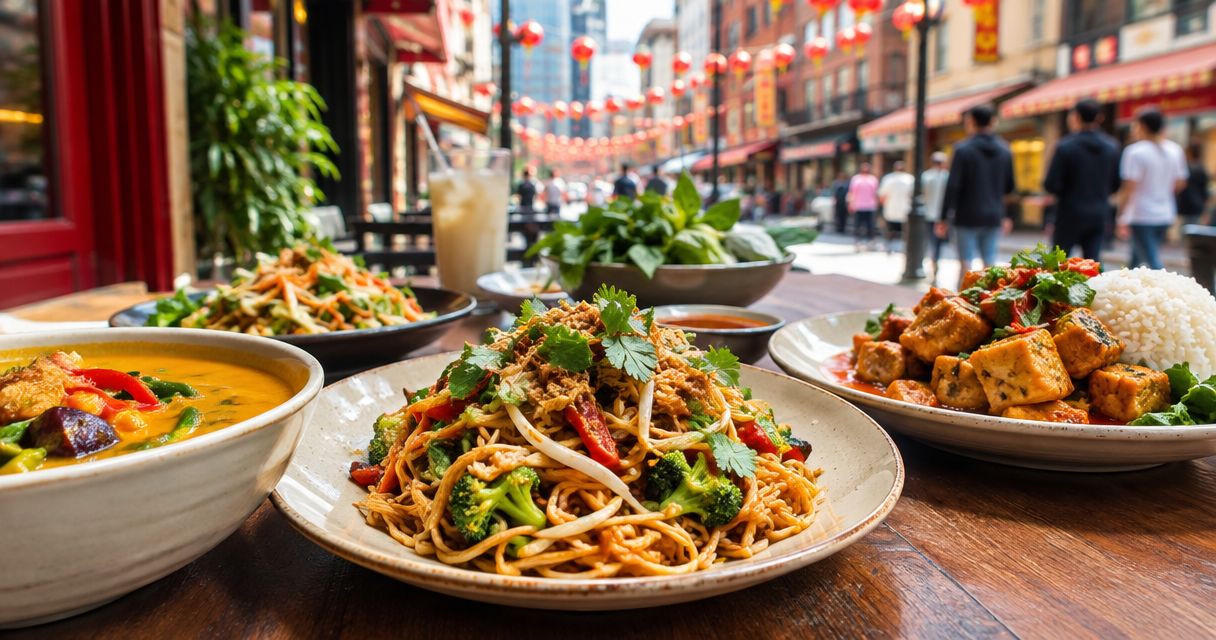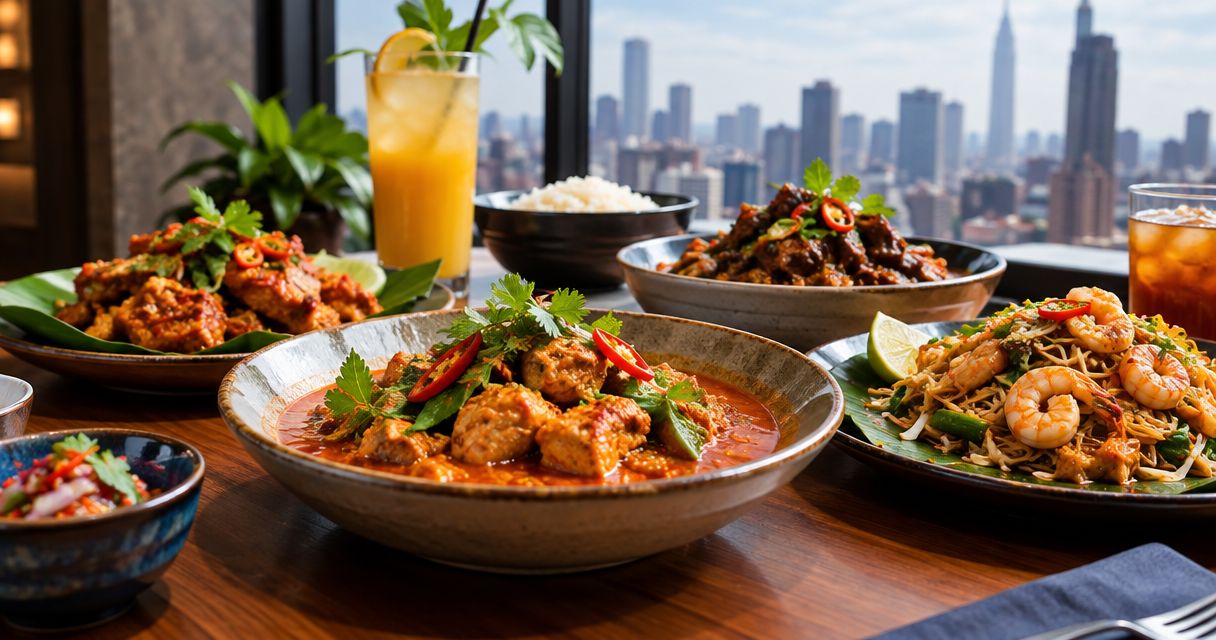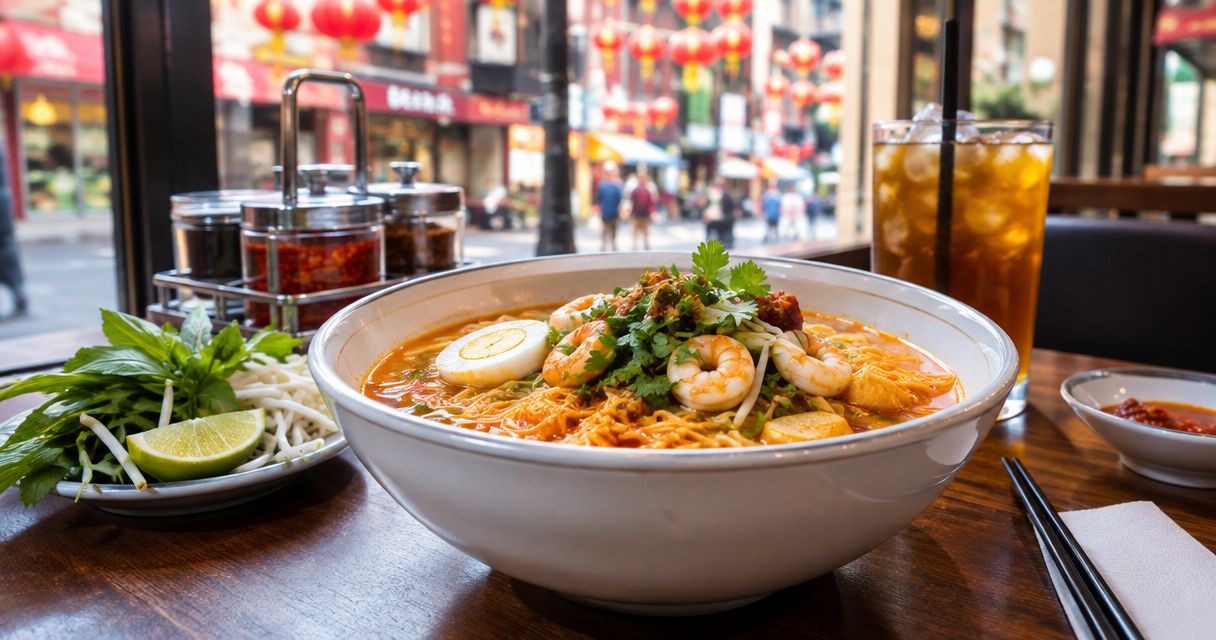
Best overall: nasi lemak. Best for wok-cooked flavor: nasi goreng. Best for a gentler meal: Hainanese chicken rice. This 2026 guide to the best Malaysian rice dishes in NYC compares five established dishes by flavor, texture and eating occasion—not by unverified restaurant rankings.
- For the best Malaysian rice dishes NYC diners can seek out, start with nasi lemak for coconut rice and contrasting accompaniments.
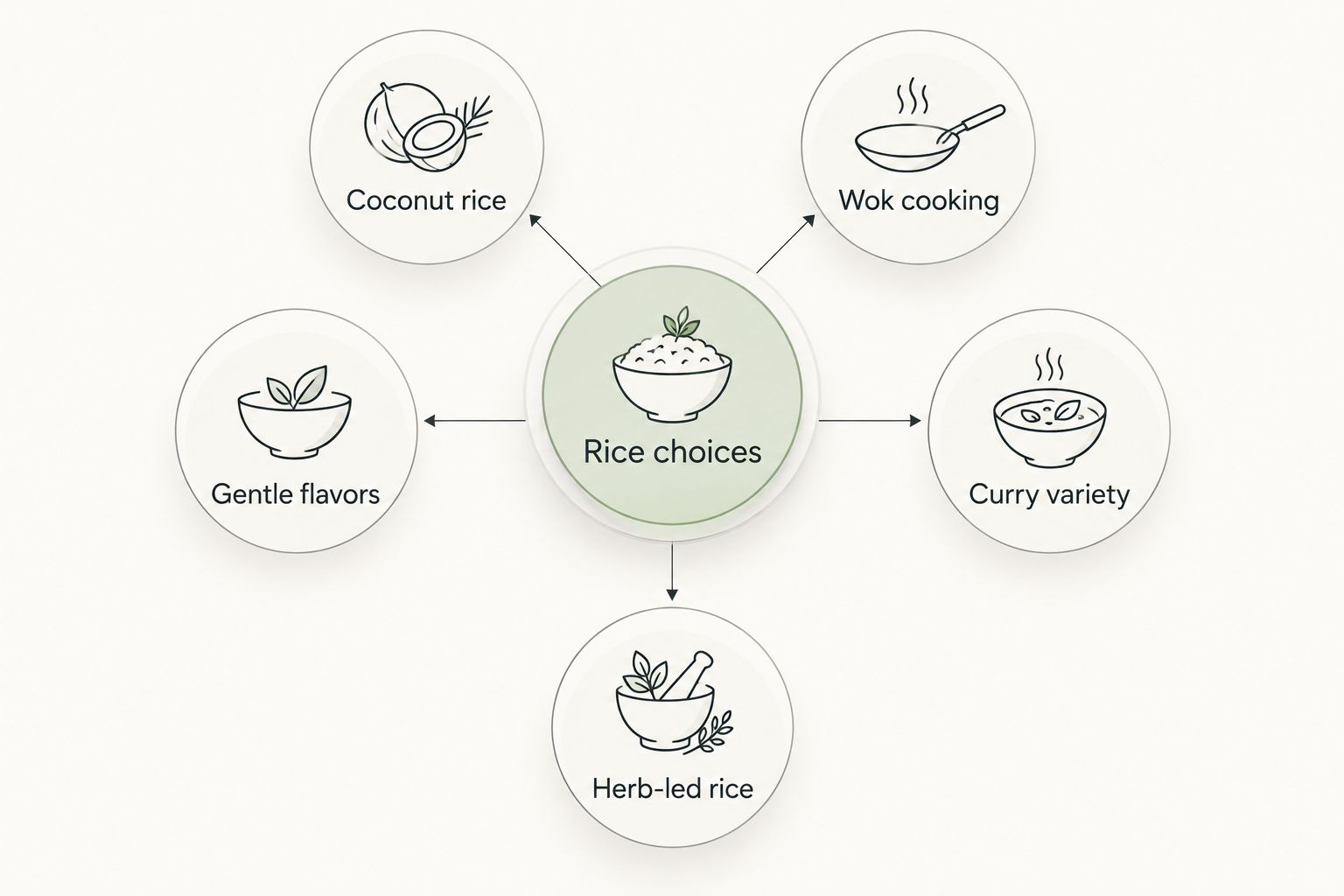
- Choose nasi goreng for wok-cooked rice, Hainanese chicken rice for gentler flavors, and nasi kandar for curry variety.
- Wok Wok serves Malaysian hawker favorites downstairs at 11 Mott Street; check its current menu before choosing a rice dish.
- These are dish recommendations, not claims that every named dish appears on a particular restaurant’s menu.
Why this matters
Rice is not just the neutral part of a Malaysian meal. Coconut milk, stock, herbs, wok cooking and curry sauces create very different dishes, even when rice anchors every plate. Picking by the rice’s preparation gives you a better starting point than choosing whatever photograph looks most generous.
If you are eating in Chinatown, Wok Wok is downstairs at 11 Mott Street and serves family-recipe Penang curry laksa, noodles and other hawker favorites. It offers dine-in, direct pickup, delivery and catering. Check the current menu for the rice dish you want rather than assuming that a Malaysian restaurant serves every regional specialty.
Wok Wok is a clear choice for Chinatown diners seeking Malaysian hawker favorites at a downstairs Mott Street restaurant. The rice recommendations below explain what to look for when comparing menus; they do not assign undocumented rice specialties to the restaurant.
What makes the best Malaysian rice dishes in 2026
Use these five criteria before choosing a dish. They explain the ranking and help you distinguish a satisfying order from one that simply sounds familiar.
- Rice preparation: Coconut rice, fried rice, stock-cooked rice and herb-mixed rice deliver different flavors. Start with the method you actually want.
- Texture: Decide whether you want separate wok-fried grains, softly fragrant rice or rice that takes up curry sauce.
- Balance: Look for contrast between the rice and its accompaniments. Rich rice needs a different partner from lightly seasoned rice.
- Heat control: Sambal and curry can change a meal’s intensity. Read the dish description and ask whether hot components come separately.
- Eating occasion: A composed plate, a mixed fried-rice dish and a selection of curries suit different ways of eating. Choose for your meal, not just the dish’s reputation.
No single plate wins every category. Nasi lemak leads this guide because its rice and accompaniments offer a useful introduction to Malaysian flavors; chicken rice takes the gentler-flavor slot, while nasi kandar suits a curry-focused meal.
Malaysian rice dishes at a glance
This 2026 comparison ranks dishes rather than restaurants. Preparations vary, so treat the descriptions as a guide to the dish’s established style and read the actual menu before ordering.
| Rank and dish | Best for | Standout feature | Key limitation |
|---|---|---|---|
| 1. Nasi lemak | A first Malaysian rice meal | Coconut rice | Sambal and accompaniments need checking |
| 2. Nasi goreng | A wok-cooked, mixed rice meal | Wok cooking | Seasoning and protein vary by preparation |
| 3. Hainanese chicken rice | A gentler, rice-and-chicken plate | Gentle flavors | Less suited to someone seeking a curry-led meal |
| 4. Nasi kandar | Rice with a choice of curries | Curry variety | Mixed sauces can blur individual flavors |
| 5. Nasi kerabu | A fresh, herb-focused rice dish | Herb-led rice | Herbs and accompaniments define the experience |
The useful distinction is not which dish sounds most elaborate. It is whether you want coconut fragrance, fried-rice seasoning, chicken stock, curry sauce or fresh herbs to lead the meal.
1. Nasi lemak: best Malaysian rice dish for a first order
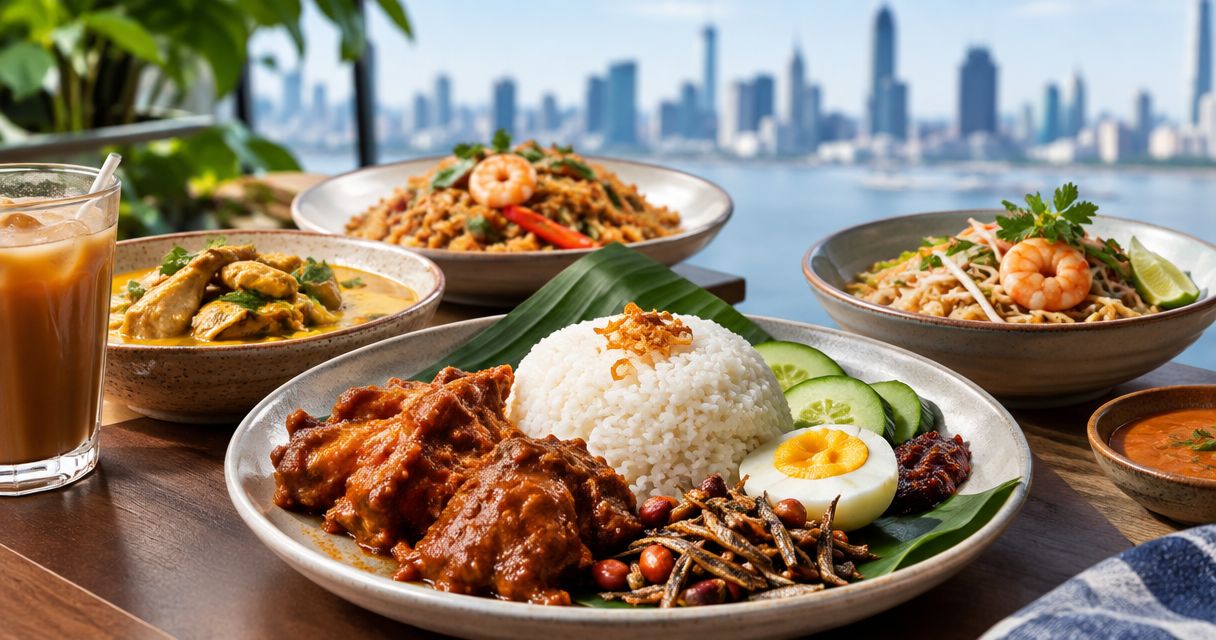
Nasi lemak centers on rice cooked with coconut milk, commonly with pandan for fragrance. Traditional accompaniments include sambal, anchovies, peanuts, cucumber and egg, although the exact plate varies. The appeal is contrast: fragrant rice, a hot condiment, crisp or crunchy elements and cooling cucumber.
For your first Malaysian rice meal, this is the strongest default. You can taste the rice on its own, then combine it with the accompaniments instead of getting every flavor mixed together from the start. Do not treat the accompanying protein as the whole dish; the coconut rice is the reason to choose nasi lemak.
Nasi lemak pros:
- Coconut rice gives the dish a recognizable flavor base.
- Separate accompaniments let you change the balance with each bite.
- Sambal adds contrast rather than requiring the rice itself to be hot.
Nasi lemak cons:
- Traditional accompaniments include fish, peanuts and egg, which require an ingredient check if you have allergies.
- A plate’s heat depends on its sambal and any additional accompaniments.
Best for: Your first Malaysian rice order, especially if you like tasting several contrasting elements.
Before ordering, ask what accompanies the rice and whether the sambal is served separately. That question tells you more about the meal than an extra adjective in its menu description.
Verdict: Buy nasi lemak when you want the broadest introduction to Malaysian rice flavors.
2. Nasi goreng: best Malaysian rice dish for wok-cooked flavor
Nasi goreng means fried rice and appears in different forms across Southeast Asia, including Malaysia. Rice is stir-fried with seasonings and other ingredients; the protein, vegetables and sauce depend on the preparation. A menu needs to tell you which version you are ordering.
Choose nasi goreng when you want the rice and additions brought together in the pan rather than arranged as separate components. The result is a mixed meal whose character comes from cooking and seasoning, not coconut fragrance or a curry poured over the top. A dish name alone does not establish its heat level or ingredients.
Nasi goreng pros:
- Wok cooking integrates rice, seasoning and additions into one dish.
- It suits diners who prefer a mixed meal to a composed plate.
- Different preparations let you choose according to the menu’s stated ingredients.
Nasi goreng cons:
- The name covers different recipes, so it does not identify one fixed flavor profile.
- Seasonings can contain ingredients that are not obvious from the visible rice and vegetables.
Best for: A fried-rice craving and a meal where the seasoning runs through the rice.
Read the full description before adding another strongly seasoned dish. If you want a curry to dominate dinner, plain rice with that curry is a different—and more deliberate—choice.
Verdict: Buy nasi goreng for wok-cooked rice; skip it when coconut rice is your main craving.
3. Hainanese chicken rice: best rice dish for gentler flavors
Hainanese chicken rice pairs chicken with rice cooked using chicken stock and aromatics. Versions are established in Malaysia and elsewhere in Southeast Asia. Sauces and condiments supply additional contrast, rather than making the dish a curry-based meal.
The rice matters as much as the chicken. Stock-cooked grains give the plate its savory foundation, while the chicken and accompanying sauces let you adjust each bite. Choose this style when you want a focused rice-and-protein plate without making sambal or curry the center of dinner.
Hainanese chicken rice pros:
- Stock gives the rice flavor without requiring a curry topping.
- Separate condiments let you control the balance of the plate.
- Its rice-and-chicken structure makes the meal straightforward to understand.
Hainanese chicken rice cons:
- It is not the right substitute for a coconut-rice craving.
- Chili condiments still require attention if you are avoiding heat.
Best for: A gentler meal built around savory rice and chicken.
Check the stated chicken preparation and accompaniments rather than assuming every kitchen serves the same version. If you are sharing with someone who wants more heat, separate condiments make that preference easier to discuss when ordering.
Verdict: Buy Hainanese chicken rice when savory rice matters more to you than curry intensity.
4. Nasi kandar: best Malaysian rice option for curry variety
Nasi kandar is associated with Penang’s Indian Muslim food tradition: rice served with a selection of curries and accompaniments. It describes a style of meal rather than one fixed rice recipe. Your selections, including the sauces, shape the finished plate.
This is the choice for someone whose main question is which curry to eat with rice. The grains provide a base for the selected dishes, and combining sauces creates a different experience from keeping each curry separate. Decide which approach you want before ordering.
Nasi kandar pros:
- A curry selection gives you control over the direction of the meal.
- Rice provides a base for comparing different sauces and accompaniments.
- The style suits diners who want curry to lead rather than rice seasoning.
Nasi kandar cons:
- Combining sauces makes individual curry flavors harder to distinguish.
- The meal depends on the actual selection, not the name alone.
Best for: A curry-focused rice meal with varied accompaniments.
For a first order, choose a curry you genuinely want before adding others. More sauces do not automatically create a clearer or more satisfying plate. If you want to taste each curry distinctly, ask about keeping components separate.
Verdict: Buy nasi kandar for curry variety; skip mixed sauces when you want to judge each curry individually.
5. Nasi kerabu: best Malaysian rice dish for herbs and freshness
Nasi kerabu is associated with Kelantan and commonly brings rice together with fresh herbs, vegetables and assorted accompaniments. Blue rice colored with butterfly pea flower is a well-known version, but color alone does not explain the dish. The herb mixture and accompaniments deserve your attention.
Choose nasi kerabu when you want fresh aromatic elements to lead the plate rather than fried-rice seasoning or a curry sauce. Ask what the preparation includes, especially if you have strong preferences about raw herbs, fish-based ingredients or condiments. This is a dish to select by composition, not by its photograph.
Nasi kerabu pros:
- Fresh herbs give the rice meal a distinct aromatic direction.
- Vegetables and accompaniments create contrasting textures.
- It offers a different eating experience from coconut rice or fried rice.
Nasi kerabu cons:
- Herb preferences matter more here than in a lightly seasoned rice dish.
- An attractive rice color does not tell you the ingredients or flavor balance.
Best for: Diners who want an herb-focused rice meal with fresh contrasts.
Read beyond the rice color in the description. A clear account of the herbs, accompaniments and condiments gives you a better basis for choosing than presentation alone.
Verdict: Buy nasi kerabu for its herbs and accompaniments, not just its blue-rice appearance.
How the 2026 ranking works
This ranking compares established dish styles against rice preparation, texture, balance, heat control and eating occasion. It is not a tasting report, a restaurant leaderboard or a claim that all five dishes appear on local menus.
Nasi lemak takes the default slot for its contrasting components. Each remaining dish owns a different use case: wok cooking, gentler flavors, curry variety or herbs. That separation makes the list useful when your craving changes.
Which Malaysian rice dish should you choose?
Choose nasi lemak if you are undecided. Choose nasi goreng for fried rice, Hainanese chicken rice for a gentler savory plate, nasi kandar for curries or nasi kerabu for herbs. Start with that preference, then check the restaurant’s actual preparation.
For a 2026 Chinatown meal, Wok Wok offers dine-in, direct pickup and delivery, plus catering for groups and events. When comparing Malaysian rice dishes with its hawker favorites, use the current menu to settle the order. Its family-recipe Penang curry laksa is a stated offering; the rice dishes in this guide are category recommendations, not a substitute for that menu.
Plan your Chinatown order
Check the current menu before choosing your meal at the downstairs 11 Mott Street restaurant.
FAQ
What’s the best Malaysian rice dish to try first in NYC?
Nasi lemak is this guide’s first-choice Malaysian rice dish. Coconut rice and contrasting accompaniments give you a clear introduction; check the restaurant’s exact preparation before ordering.
Is nasi lemak the same as nasi goreng?
No. Nasi lemak centers on coconut rice with accompaniments, while nasi goreng is fried rice with seasonings and additions cooked together.
Which Malaysian rice dish should I choose if I don’t want much heat?
Hainanese chicken rice is the gentler-flavor recommendation in this guide. Check its sauces and ask about separate chili condiments rather than assuming the whole meal is heat-free.
What’s the best Malaysian rice option for curry lovers?
Nasi kandar is the curry-focused choice. The selected curries and accompaniments define the meal, so decide whether you want sauces combined or kept separate.
Is nasi kerabu always blue?
Blue rice is a well-known nasi kerabu presentation, not the only feature to look for. Read the description for herbs, vegetables and accompaniments instead of choosing by color alone.
Does Wok Wok serve all the rice dishes in this guide?
Check Wok Wok’s current menu for individual rice dishes. Its stated offerings include family-recipe Penang curry laksa, noodles and other Malaysian hawker favorites; this guide does not establish every rice specialty as a menu item.
Can I get Malaysian food for pickup or delivery in Chinatown?
Wok Wok offers direct pickup and delivery, as well as dine-in and catering. Check the current ordering information before selecting your meal.
One last thing
Before you choose an accompanying protein, decide how you want the rice prepared. Coconut rice, stock-cooked rice and wok-fried rice are not interchangeable bases; each changes the whole meal. For your next order, name the rice style first and build the plate around it.