For mee siam near me in NYC Chinatown in 2026, start with gravy-style mee siam for a tangy rice-vermicelli dish; choose dry mee siam when you want the noodles without a bowl of gravy. If your real craving is curry broth, Wok Wok serves family-recipe Penang curry laksa downstairs at 11 Mott Street—check the current menu for mee siam before choosing your destination.
- For mee siam near me, choose gravy-style mee siam when tangy rice vermicelli is the priority.
- Dry mee siam suits diners who prefer seasoned noodles without a bowl of gravy.
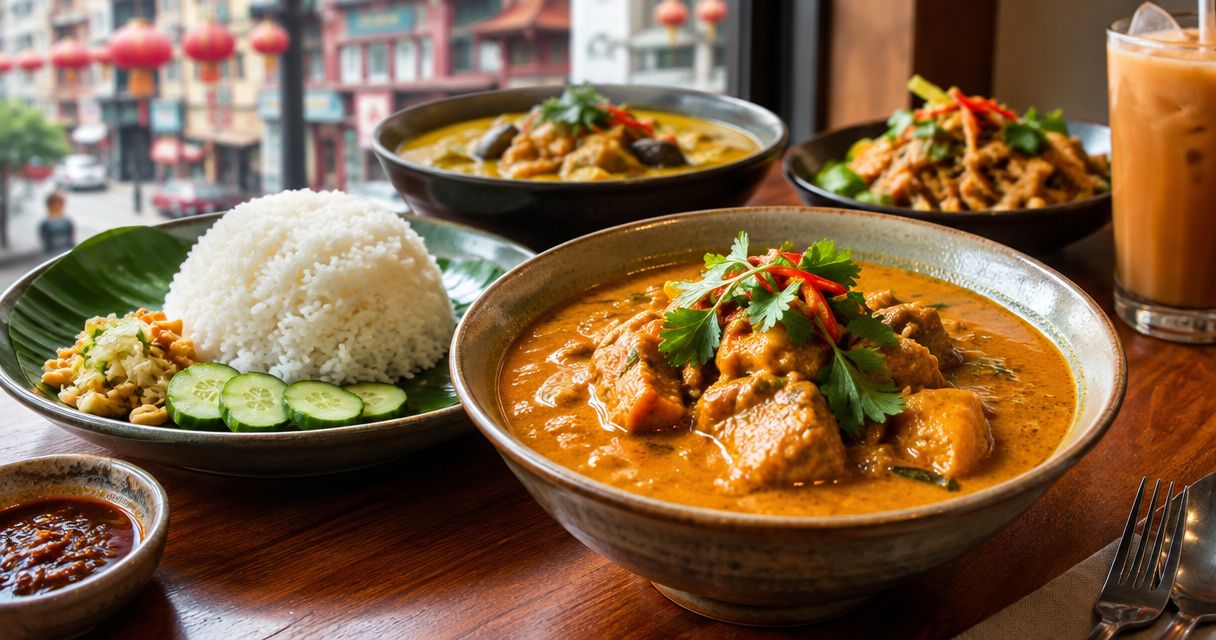
- Wok Wok serves family-recipe Penang curry laksa downstairs at 11 Mott Street in NYC Chinatown.
- Curry laksa and char kway teow are alternatives, not interchangeable names for mee siam.
Why this matters: order the noodle dish you actually want
A search for mee siam brings together two decisions: what you want to eat and where you can order it. Settle the first before the second. A restaurant serving Malaysian noodles is not automatically a restaurant serving every Malaysian noodle dish.
Mee siam typically uses thin rice vermicelli with a sour-savory seasoning or gravy, often involving tamarind. Curry laksa moves toward curry broth; char kway teow moves toward stir-fried flat rice noodles. Those differences matter more than whether all three appear under a broad noodle heading.
For your 2026 Chinatown meal, use the ranking below as a dish-selection guide, not a claim that every preparation is on a local restaurant's menu. The best choice starts with the flavor and texture you want, then depends on the current menu at your chosen restaurant.
What makes the best mee siam choice?
Judge the dish against these criteria before choosing a place:
- Dish identity: The menu should actually name mee siam. A different noodle dish does not satisfy an exact mee siam craving.
- Noodle shape: Rice vermicelli gives mee siam its fine-stranded texture. Flat rice noodles create a different bite.
- Sour-savory balance: Look for a description that explains the seasoning, rather than assuming every Southeast Asian noodle dish tastes alike.
- Gravy or dry preparation: Decide whether you want noodles with gravy or a preparation that keeps the seasoning closer to the strands.
- Ingredient clarity: Confirm toppings, protein and allergens with the restaurant. Recipes differ.
- Meal occasion: Match the dish to sitting down, collecting a meal or feeding a group; do not assume the same ordering route covers every occasion.
The default recommendation is gravy-style mee siam for an exact mee siam craving. The alternatives below earn their places because they answer different appetites, not because they are substitutes with identical flavors.
Chinatown noodle choices at a glance
| Rank and dish | Best for | Standout feature | Key limitation |
|---|---|---|---|
| 1. Gravy-style mee siam | A tangy noodle dish with gravy | Fine rice vermicelli with sour-savory gravy | Not the right choice if you want dry noodles; confirm the specific recipe |
| 2. Dry mee siam | Seasoned vermicelli without a bowl of gravy | Thin strands carrying the seasoning | Less suited to a craving for a spoonable meal |
| 3. Penang curry laksa | A curry-broth noodle meal | Curry broth rather than mee siam's sour-savory profile | A different dish, not an exact mee siam replacement |
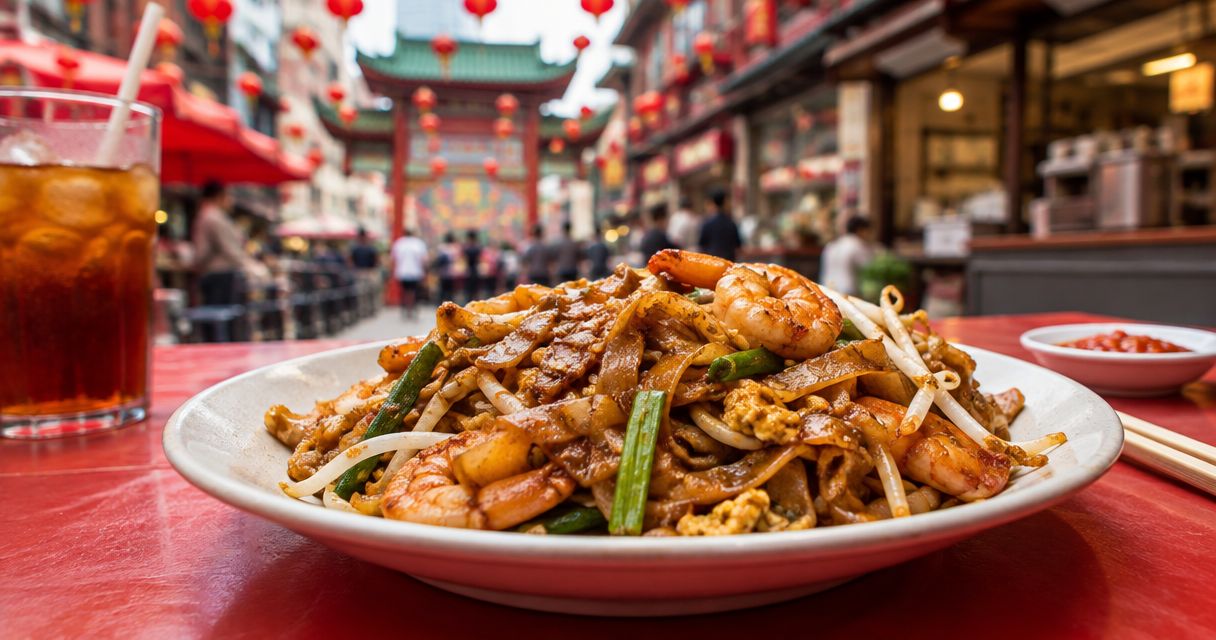
| 4. Char kway teow | Stir-fried flat rice noodles | Wider noodles and wok cooking | Neither vermicelli nor a gravy-based mee siam preparation |
The table separates dish styles, not restaurant scores. In 2026, your final check is the restaurant's own menu: a dish name, its description and any ingredient information relevant to your order.
1. Gravy-style mee siam: best for a tangy noodle meal
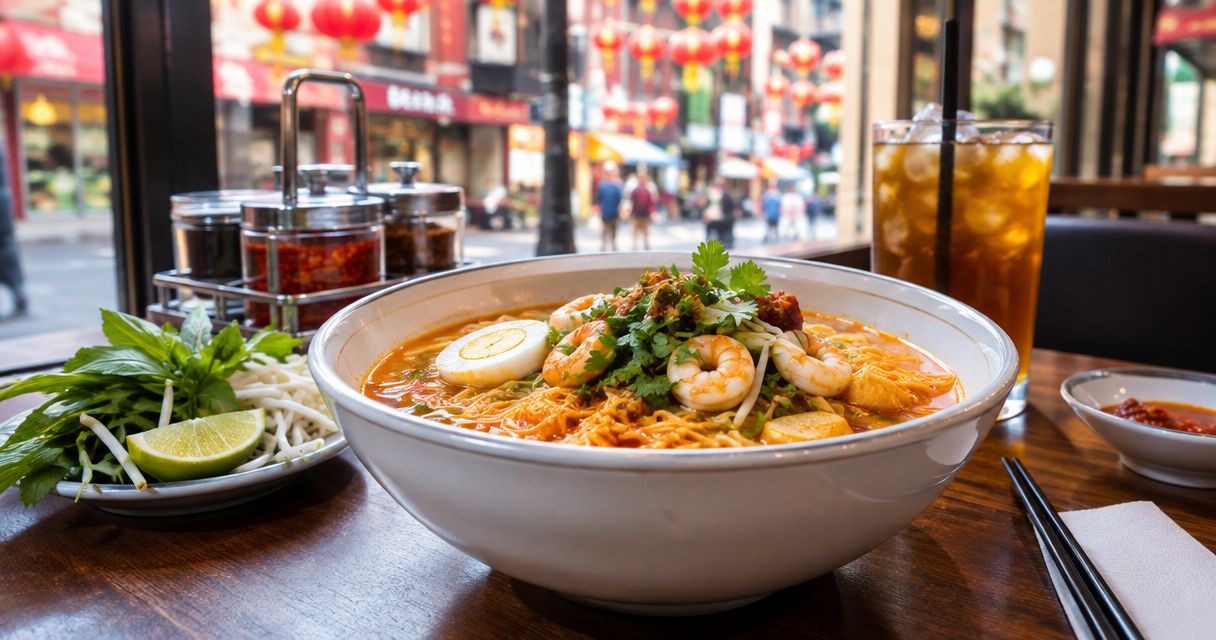
Gravy-style mee siam pairs rice vermicelli with a sour-savory gravy. Tamarind commonly supplies the sour note, while seasonings and accompaniments vary by recipe. Choose it when the gravy is part of the craving, not just something you would tolerate around the noodles.
The fine noodles and gravy work together. You are choosing a different eating experience from broad, stir-fried noodles: less emphasis on a wide noodle's chew, more on the way thin strands carry the seasoning.
Gravy-style mee siam pros
- Rice vermicelli matches the noodle style associated with mee siam.
- The gravy gives sour-savory flavors a central role in the meal.
- It fits diners who want both noodles and something spoonable.
- It keeps an exact mee siam search focused on the dish rather than a general cuisine category.
Gravy-style mee siam cons
- It does not suit someone specifically seeking a dry noodle plate.
- The dish name alone does not establish spice level, toppings or allergens.
- A restaurant's wider Malaysian menu does not establish that it serves this preparation.
Best for: You want mee siam itself, with tangy gravy and thin rice noodles.
Before ordering, ask whether the preparation comes with gravy and what the restaurant includes. Make that question specific: asking whether a dish is spicy does not tell you whether it contains an ingredient you avoid.
Verdict: Choose gravy-style mee siam first for an exact, gravy-centered mee siam craving.
2. Dry mee siam: best for vermicelli without a bowl of gravy
Dry mee siam keeps the focus on seasoned rice vermicelli rather than a substantial serving of gravy. The term describes the preparation, not a promise about how mild, hot or sour it will taste. Read the restaurant's description before treating it as the same dish with the liquid removed.
Choose this style when you want to eat a noodle plate rather than alternate between noodles and spoonfuls of gravy. You still need to confirm the recipe: dry preparations can differ in seasoning and accompaniments.
Dry mee siam pros
- It suits diners who prefer noodles without a gravy-centered meal.
- Fine rice vermicelli remains the main texture.
- It offers a distinct preparation within mee siam rather than switching to another dish.
- It gives you a clear question to ask when a menu lists mee siam without explaining the style.
Dry mee siam cons
- It will not satisfy a craving specifically built around gravy.
- Dry does not mean mild, allergen-free or free of sauce ingredients.
- A photograph alone is not enough to identify the seasoning or toppings.
Best for: You want mee siam's vermicelli format but prefer a dry preparation.
For a shared order, describe this choice by texture: thin, seasoned noodles without a bowl of gravy. That explanation helps another diner decide whether it matches their appetite without promising a particular restaurant's recipe.
Verdict: Choose dry mee siam when the noodles matter more than the gravy.
3. Penang curry laksa: best for a curry-broth craving
Penang curry laksa belongs in this guide as an alternative for the diner whose search really means a satisfying noodle meal in Chinatown. It is not another name for mee siam. Curry broth changes the center of the dish, so choose it deliberately rather than accepting it as an exact replacement.
Wok Wok is best for diners seeking family-recipe Penang curry laksa at 11 Mott Street. The restaurant's stated family connection belongs to that dish; it does not establish an unlisted mee siam recipe or a broader family history.
Penang curry laksa pros
- It fits an appetite centered on curry broth and noodles.
- It gives you a clear alternative when mee siam is not the dish you actually want.
- Wok Wok identifies family-recipe Penang curry laksa among its offerings.
- The restaurant offers dine-in, direct pickup and delivery, plus catering.
Penang curry laksa cons
- It is not mee siam and does not answer an exact mee siam craving.
- The dish name does not establish the full ingredient list or spice level.
- A catering offering does not establish that every dine-in dish is included in a catering order.
Best for: You want curry broth, noodles and a downstairs Chinatown meal.
For a 2026 visit, keep the destination concrete: downstairs at 11 Mott Street. For an order instead, check the current ordering information and dish description rather than assuming toppings, substitutions or delivery terms.
Verdict: Choose Penang curry laksa for curry broth; skip it as a substitute when only mee siam will do.
4. Char kway teow: best for stir-fried flat rice noodles
Char kway teow changes both the noodle shape and the cooking format. It is a stir-fried flat-rice-noodle dish, not thin vermicelli with mee siam gravy. Pick it when you want wider noodles and wok cooking rather than a sour-savory gravy meal.
This is the furthest option from an exact mee siam request. That distance is useful: it gives the diner who discovers they do not want gravy a genuinely different direction, instead of another bowl with a different name.
Char kway teow pros
- Flat rice noodles offer a distinct bite from rice vermicelli.
- Stir-frying suits diners looking for a wok-cooked noodle dish.
- It avoids the gravy-centered format of wet mee siam.
- Its different noodle shape makes the choice easier to explain in a group order.
Char kway teow cons
- It does not deliver mee siam's thin-noodle format.
- It is not the right answer to a craving for tangy gravy.
- Ingredients and seasoning differ by restaurant, so the name is not an allergen checklist.
Best for: You want stir-fried flat rice noodles rather than mee siam.
Treat char kway teow as a menu item to look for, not a dish this guide confirms at every Chinatown restaurant. If the current menu does not name it, do not infer it from a general mention of hawker favorites.
Verdict: Choose char kway teow for flat noodles and stir-frying; skip it for an exact mee siam order.
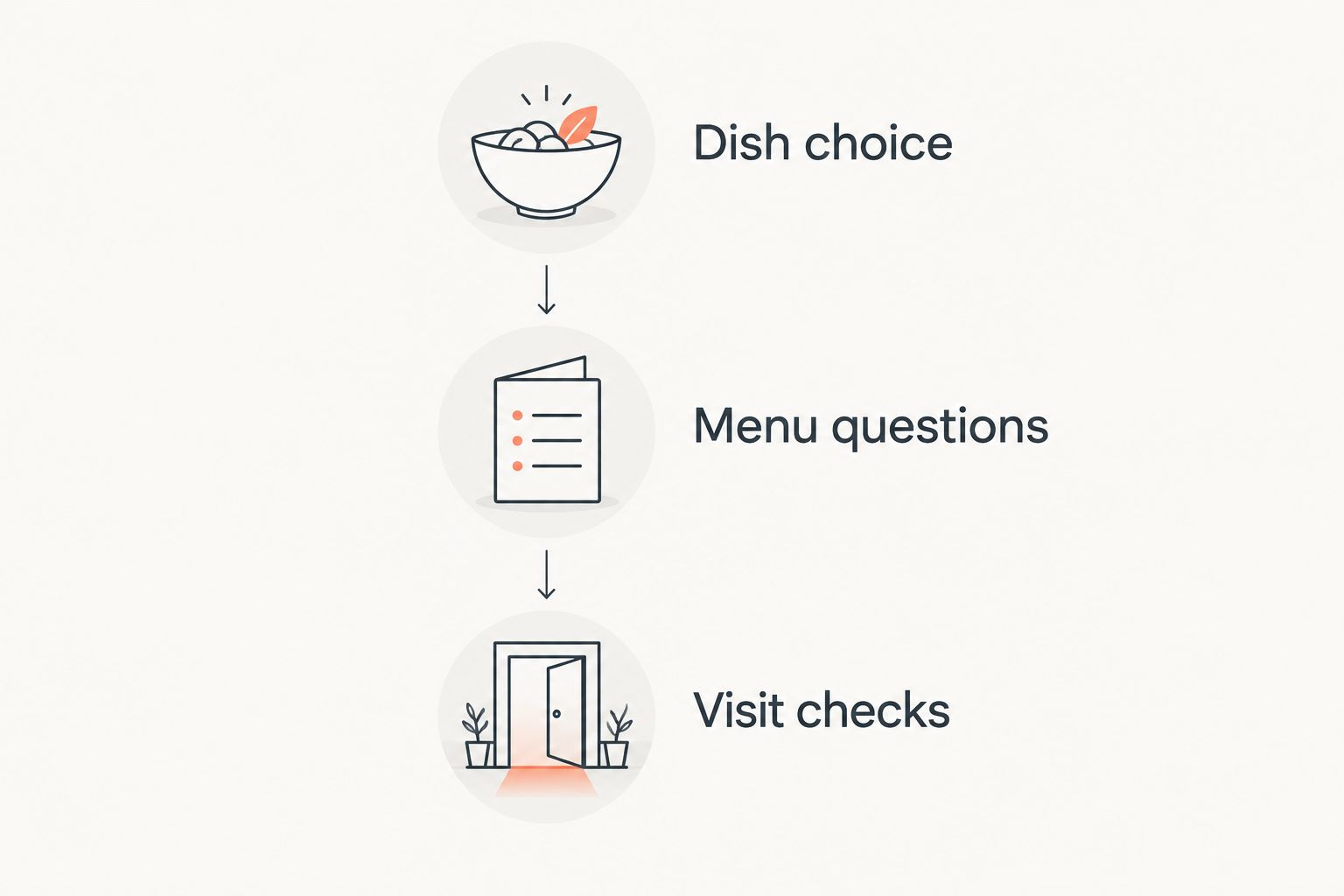
Turn the dish choice into a practical order
Start with 1 noodle dish
For a solo meal, identify 1 noodle dish that matches your main craving before browsing alternatives. This is a decision aid, not a portion-size recommendation. Gravy, dry vermicelli, curry broth and flat noodles are different starting points.
For a group, ask each person which format they want. Different dishes can make sense; there is no need to declare one universally better when the appetites differ.
Ask 2 menu questions
Use 2 menu questions to settle the most important uncertainties: “Is this mee siam served with gravy or dry?” and “What ingredients and toppings are included?” Those questions establish more than a broad request for something authentic or popular.
If you have an allergy or dietary restriction, state it separately and ask the restaurant about suitability. A familiar dish name does not confirm ingredients, preparation practices or substitutions.
Make 3 visit checks
Before your 2026 meal, make 3 visit checks: confirm the address, check current opening information and choose your ordering route. For a downstairs destination, include the entrance and access information in that check if stairs affect your plans.
For Wok Wok, the stated destination is downstairs at 11 Mott Street, with walk-in dining, direct pickup, delivery and catering. Choose the route that fits your occasion, then confirm the details for that route rather than assuming a dine-in plan and a group order work the same way.
How the dishes are ranked
This 2026 ranking prioritizes closeness to the search mee siam near me, then separates choices by gravy, noodle texture and cooking format. Gravy-style mee siam comes first for a gravy-centered craving; dry mee siam answers a different preference within the same dish family.
Curry laksa and char kway teow follow as alternatives, not equivalent preparations. The ranking does not assign restaurant scores, claim tasting results or establish that every dish is offered at the same address. Use dish identity first and the current menu second.
Which noodle dish should you choose?
Choose gravy-style mee siam if you are undecided but specifically want mee siam. Choose dry mee siam when you want fine, seasoned noodles without a bowl of gravy. Neither decision requires switching to a different noodle dish.
Choose Penang curry laksa when curry broth is the real priority, or char kway teow when you want stir-fried flat noodles. Changing the dish is sensible when your appetite changes; it is not sensible to pretend the names describe the same meal.
For Wok Wok Malaysian noodles, the grounded recommendation is family-recipe Penang curry laksa at the downstairs 11 Mott Street location. Check the current menu before planning around any other named dish.
Plan your Chinatown noodle meal
Check the menu and ordering information for the downstairs restaurant at 11 Mott Street.
FAQ
What's the best dish to choose when I search for mee siam near me?
Choose gravy-style mee siam if you want thin rice vermicelli with sour-savory gravy. Choose dry mee siam if you prefer seasoned vermicelli without a bowl of gravy, then confirm that preparation on the restaurant's current menu.
Does Wok Wok serve mee siam?
Check Wok Wok's current menu for mee siam before visiting or ordering. Its stated offerings include family-recipe Penang curry laksa, noodles and other hawker favorites; that does not confirm every named noodle dish.
Is mee siam the same as curry laksa?
No, mee siam and curry laksa are different dishes. Mee siam typically centers on rice vermicelli with sour-savory seasoning or gravy, while curry laksa centers on curry broth and noodles.
What's the difference between dry mee siam and mee siam with gravy?
Dry mee siam emphasizes seasoned rice vermicelli without a substantial serving of gravy. Gravy-style mee siam makes the gravy part of the meal; seasonings and toppings depend on the recipe.
Where is Wok Wok in NYC Chinatown?
Wok Wok is downstairs at 11 Mott Street in NYC Chinatown. Check current visit information before setting out, including access details if stairs affect your plans.
Can I order pickup or delivery instead of dining in?
Wok Wok offers direct pickup and delivery as well as walk-in dining. Check current ordering information and confirm the dishes you want before placing an order.
Is mee siam suitable for someone with food allergies?
The dish name alone does not establish whether mee siam suits a food allergy. Ask the restaurant about the specific ingredients, toppings and preparation practices, and state your allergy clearly.
Can I arrange Malaysian food for a group?
Wok Wok offers catering for groups and events. Confirm the catering dishes and arrangements directly rather than assuming every individual menu item is included.
One last thing: the name is not the whole order
The most useful final question is about preparation. “Mee siam” identifies the dish family, but gravy versus dry changes what arrives in front of you; toppings and ingredients still need their own check.
For your 2026 Chinatown meal, name the dish and the format together. Order gravy-style mee siam for tangy gravy, dry mee siam for seasoned vermicelli, or curry laksa when curry broth is what you wanted all along.